Knowingo
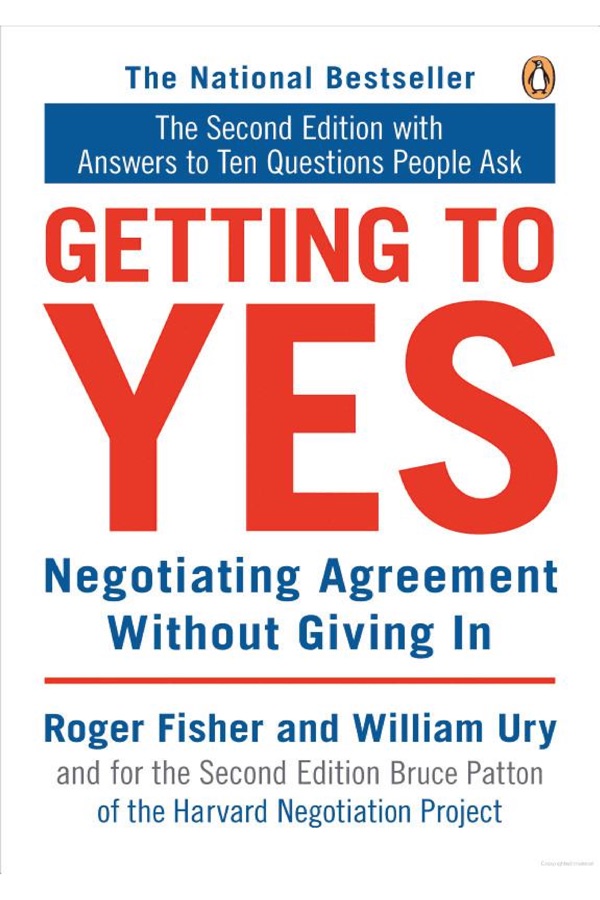
The cover of Getting to Yes

Getting to Yes

Learn the Harvard Negotiation Project's method for reaching agreement without giving in, separating people from the problem and focusing on interests over fixed positions.

9 parts, about 22 minutes to read.

Why read it

  • Offers principled negotiation: separate people from the problem, focus on interests, invent options for mutual gain, and insist on objective criteria
  • Shows why knowing your best alternative to a negotiated agreement protects you better than a fixed bottom line
  • Gives ways to respond when the other side has more power, refuses to engage, or uses dirty tricks

Who it is for

  • Professionals negotiating raises, contracts or prices
  • Readers who dread haggling and fear damaging relationships
  • Buyers and tenants facing a stronger or tricky counterpart

What the summary covers

  1. Don't Bargain Over Positions2 min
  2. Separate the People From the Problem2 min
  3. Focus on Interests, Not Positions2 min
  4. Invent Options for Mutual Gain3 min
  5. Insist on Using Objective Criteria2 min
  6. When They Are More Powerful: BATNA3 min
  7. When They Will Not Play: Negotiation Jujitsu and the One Text Procedure3 min
  8. When They Use Dirty Tricks3 min
  9. Winning the Right Thing2 min

Recommended by

  • John T. DunlopFormer US Secretary of Labor
    Getting to Yes is a highly readable and practical primer on the fundamentals of negotiation. All of us, as negotiators dealing with personal, community, and business problems need to improve our skills in conflict resolution and agreement making. This concise volume is the best place to begin.
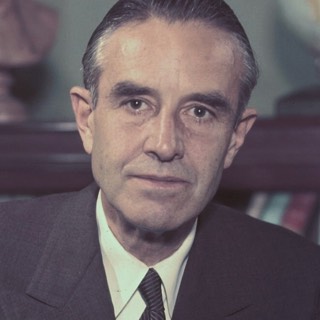
  • Averell HarrimanFormer governor of New York and US Secretary of Commerce
    This splendid book will help turn adversarial battling into hardheaded problem solving.
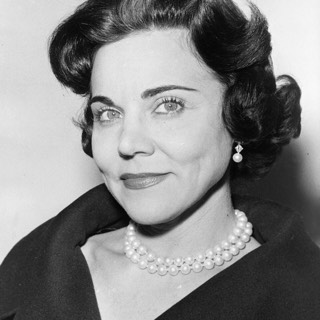
  • Ann LandersSyndicated advice columnist writing as Ann Landers
    Getting to Yes is a highly readable, uncomplicated guide to resolving conflicts of every imaginable dimension. It teaches you how to win without compromising friendships. I wish I had written it!
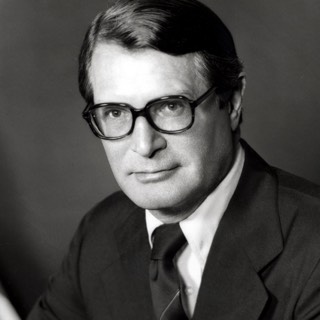
  • Elliot RichardsonFormer US Attorney General and Secretary of Defense
    Getting to Yes is powerful, incisive, persuasive. Not a bag of tricks but an overall approach. Perhaps the most useful book you will ever read!
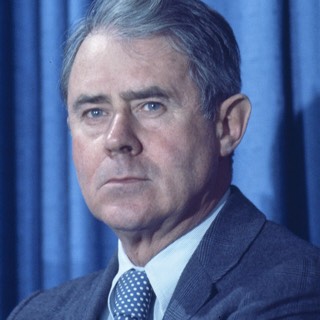
  • Cyrus VanceFormer US Secretary of State
    Simple but powerful ideas that have already made a contribution at the international level are here made available to all. Excellent advice on how to approach a negotiating problem.
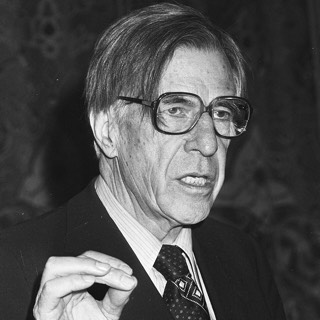
  • John Kenneth GalbraithLongtime Harvard professor of economics
    This is by far the best thing I've ever read about negotiation.
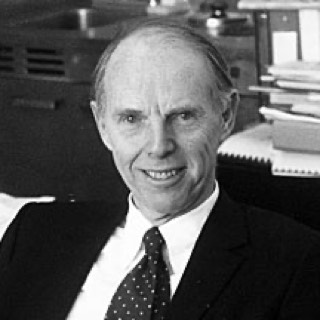
About the authors

  • Roger FisherWas a Harvard Law School professor and director of the Harvard Negotiation Project
    • During World War II he served in the US Army Air Force as a weather reconnaissance observer in the North Atlantic and Pacific.
    • After Harvard Law School he went to Paris, where he worked on the Marshall Plan under W. Averell Harriman until 1949.
    • In 1957 he argued Roth v. United States, a landmark obscenity case, for the United States and won.
    • He joined the Harvard Law School faculty in 1958 and became a full professor in 1960.
    • He proposed the Peabody Award winning television program The Advocates in 1969.
    • A 1977 phone call from Fisher shaped the future of William Ury, then a graduate student, according to Ury.
    • In 1979 he founded the Harvard Negotiation Project with William Ury and Bruce Patton and served as its director.
    • He died on 25 August 2012 in Hanover, New Hampshire, at the age of 90.
  • William UryCofounder of the Harvard Program on Negotiation
    • He received his BA from Yale and his PhD in social anthropology from Harvard.
    • He says a seminal 1977 phone call from Roger Fisher shaped his future.
    • He cofounded the Harvard Negotiation Project in 1979 and helped found the Program on Negotiation at Harvard Law School in 1981.
    • He consulted for the White House Crisis Management Center on creating Nuclear Risk Reduction Centers in Washington and Moscow.
    • With former President Jimmy Carter he cofounded the International Negotiation Network, which worked to end civil wars around the world.
    • He has served as a negotiation advisor and mediator in conflicts from the Cold War to ethnic and civil wars in the Middle East, Chechnya, Yugoslavia and Colombia.
    • In 2007 he founded the Abraham Path Initiative, a long distance walking trail across the Middle East.
    • His honors include the Cloke Millen Peacemaker Award, the Whitney North Seymour Award from the American Arbitration Association and the Distinguished Service Medal from the Russian Parliament.
  • Bruce PattonCofounder of the Harvard Negotiation Project and of consulting firm Vantage Partners
    • He holds an AB from Harvard College and a JD from Harvard Law School.
    • He worked with Roger Fisher to pioneer the teaching of negotiation at Harvard Law School, where he was Thaddeus R. Beal Lecturer on Law for 15 years.
    • In 1979 he joined Roger Fisher and William Ury in founding the Harvard Negotiation Project.
    • In 1984 he cofounded the consulting and training firm Conflict Management Inc. and the not for profit Conflict Management Group, now part of Mercy Corps.
    • In 1997 he and four colleagues founded Vantage Partners, an international consulting firm that helps large companies negotiate and manage strategic relationships.
    • He coauthored the 1991 second edition of Getting to Yes, which has been printed in 36 languages, and with Douglas Stone and Sheila Heen the 1999 book Difficult Conversations.

Read it alongside

More books like this