Knowingo
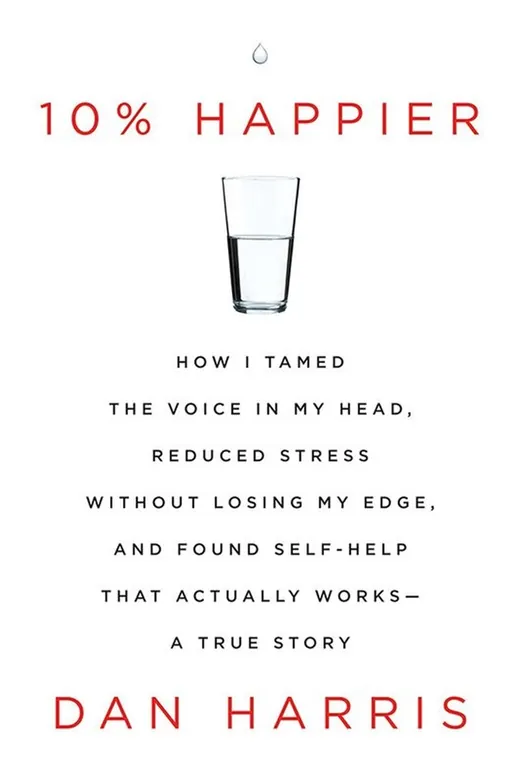
The cover of 10% Happier: How I Tamed the Voice in My Head, Reduced Stress Without Losing My Edge, and Found Self Help That Actually Works A True Story

10% Happier: How I Tamed the Voice in My Head, Reduced Stress Without Losing My Edge, and Found Self Help That Actually Works A True Story

After a panic attack on live television, Dan Harris tests meditation against his own skepticism, learning to work with anxiety and ambition while keeping the benefits modest.

7 parts, about 20 minutes to read.

At a glance

Author
Harris, Dan
Parts
7 parts
Reading time
about 20 minutes
The whole book
Also to read in full

The idea people argue about

The central argument readers can resist is that meditation can reduce destructive self involvement without weakening professional ambition. Harris makes the problem concrete because his television career rewarded vigilance, comparison, and insecurity, the same habits that also fed panic and compulsive striving. A common objection is that accepting thoughts and loosening attachment might make a competitive person passive. Harris does not answer with serenity or withdrawal: he describes remaining ambitious while learning to notice impulses before obeying them and to pursue work with less needless suffering. His account also keeps skepticism intact, rejecting supernatural claims and the promise of permanent presence even as he adopts a practical Buddhist exercise. The modest title matters because he offers an incremental memoir based answer, not proof that meditation produces the same balance for every person or resolves the pressures built into competitive workplaces.

Three common misunderstandings

  1. Harris does not describe a conversion to religious Buddhism or present himself as accepting every traditional Buddhist claim. Mark Epstein helps him separate meditation practice from belief in karma or rebirth, allowing him to experiment without adopting a complete religious system.
  2. Meditation in the book does not require an empty mind without thoughts. The appendix instructs beginners to notice distraction and return to the breath, so wandering becomes part of the exercise rather than evidence of failure.
  3. Becoming more mindful does not make Harris continuously calm, kind, patient, or free of professional insecurity. Later chapters show anger, ambition, embarrassment, and workplace conflict continuing, while the claimed improvement lies in recognizing reactions sooner and recovering with less damage.

What the summary covers

  1. Summary9 min
  2. Retreat2 min
  3. 10% Happier2 min
  4. The New Caffeine2 min
  5. The Self Interested Case for Not Being a Dick2 min
  6. Hide the Zen2 min
  7. Epilogue1 min

More books like this