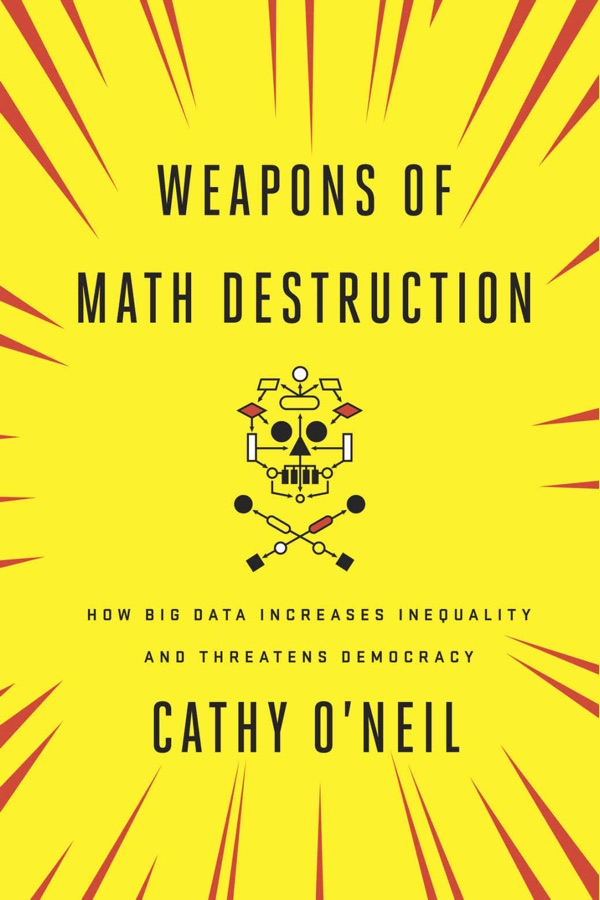
Weapons of Math Destruction
Why opaque models that score people at huge scale can wreck lives, from teachers fired by a formula to voters targeted by data, and how to disarm them.
15 parts, about 23 minutes to read.


Why opaque models that score people at huge scale can wreck lives, from teachers fired by a formula to voters targeted by data, and how to disarm them.
15 parts, about 23 minutes to read.

Weapons of Math Destruction is a fantastic, plainspoken call to arms. It acknowledges that models aren’t going away: As a tool for identifying people in difficulty, they are amazing. But as a tool for punishing and disenfranchising, they’re a nightmare.

Many algorithms are slaves to the inequalities of power and prejudice. If you don’t want these algorithms to become your masters, read Weapons of Math Destruction by Cathy O’Neil to deconstruct the latest growing tyranny of an arrogant establishment.

A fascinating and deeply disturbing book.

Cathy O’Neil has seen Big Data from the inside, and the picture isn’t pretty. Weapons of Math Destruction opens the curtain on algorithms that exploit people and distort the truth while posing as neutral mathematical tools. This book is wise, fierce, and desperately necessary.

Even as a professional mathematician, I had no idea how insidious Big Data could be until I read Weapons of Math Destruction.

In this fascinating account, Cathy O’Neil leverages her expertise in mathematics and her passion for social justice to poke holes in the triumphant narrative of Big Data. She makes a compelling case that math is being used to squeeze marginalized segments of society and magnify inequities. Her analysis is superb, her writing is enticing, and her findings are unsettling.

Combating secrecy with clarity and confusion with understanding, this book can help us change course before it’s too late.
From getting a job to finding a spouse, predictive algorithms are silently shaping and controlling our destinies. Cathy O’Neil takes us on a journey of outrage and wonder, with prose that makes you feel like it’s just a conversation. But it’s an important one. We need to reckon with technology.

Next time you hear someone gushing uncritically about the wonders of Big Data, show them Weapons of Math Destruction. It’ll be salutary.

 AI SuperpowersKai Fu Lee
 AppleDavid Pogue
 BreakneckDan Wang
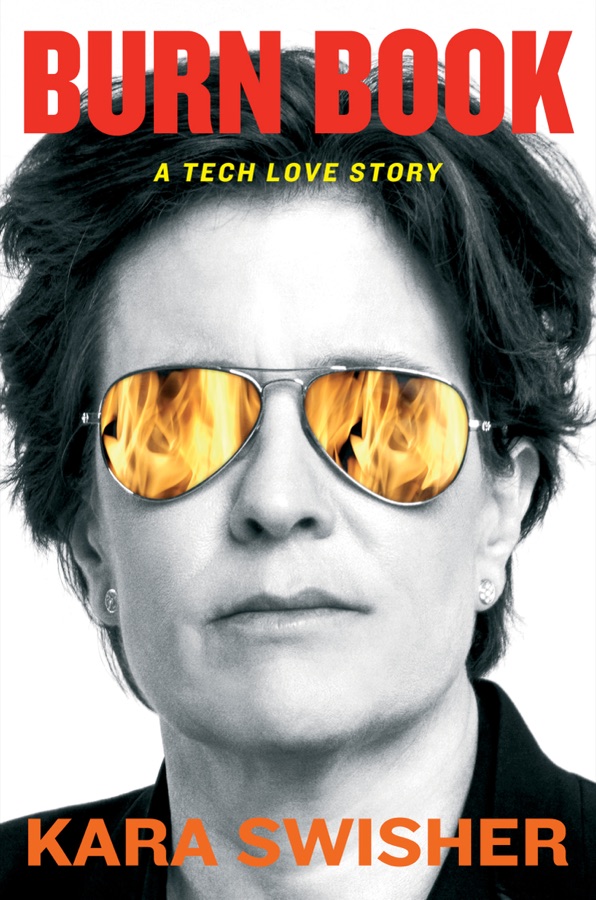 Burn BookKara Swisher
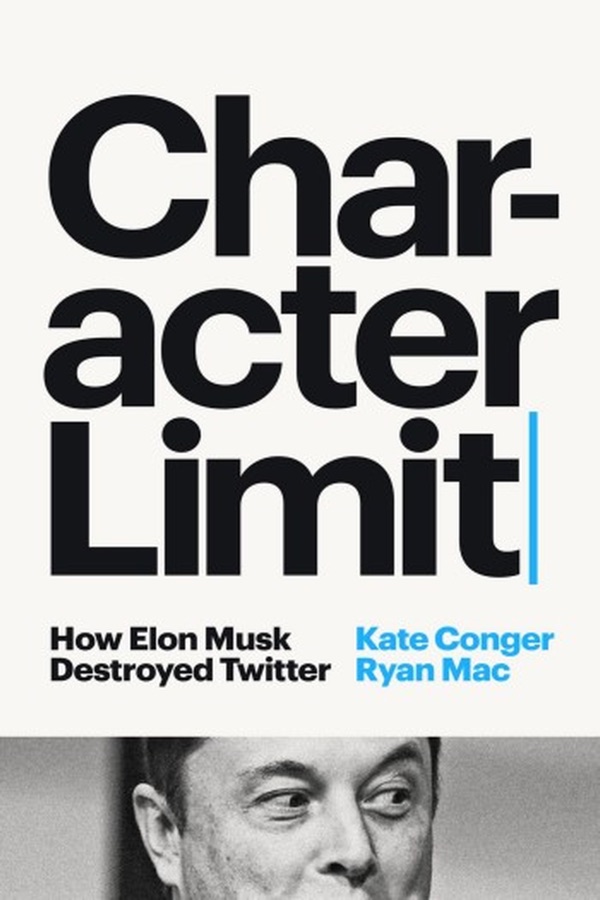 Character LimitKate Conger, Ryan Mac
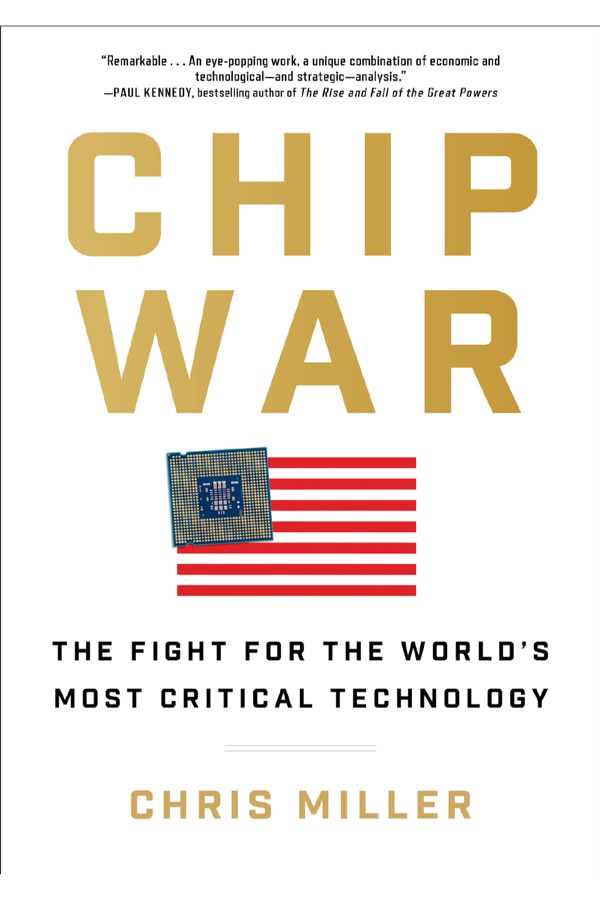 Chip WarChris Miller
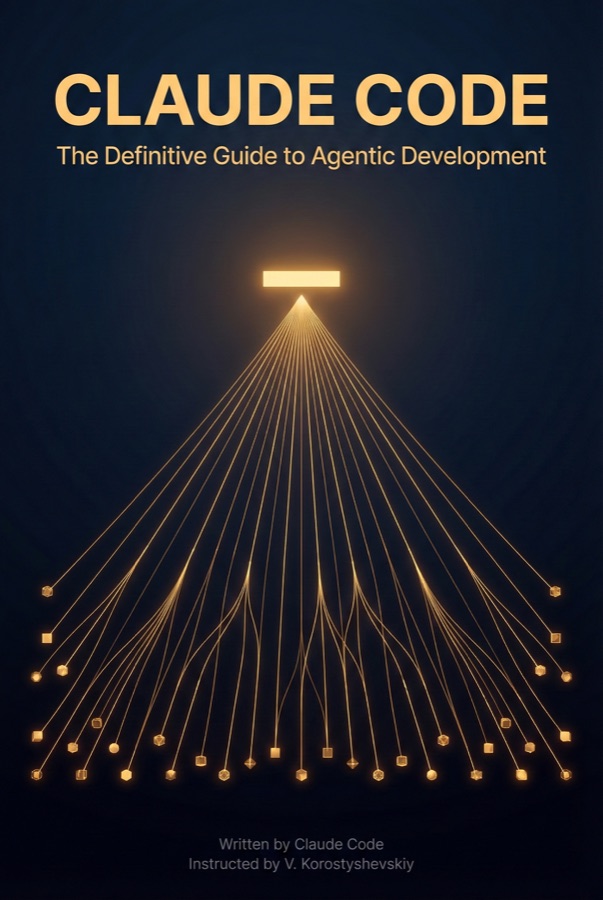 Claude CodeVladimir Korostyshevskiy
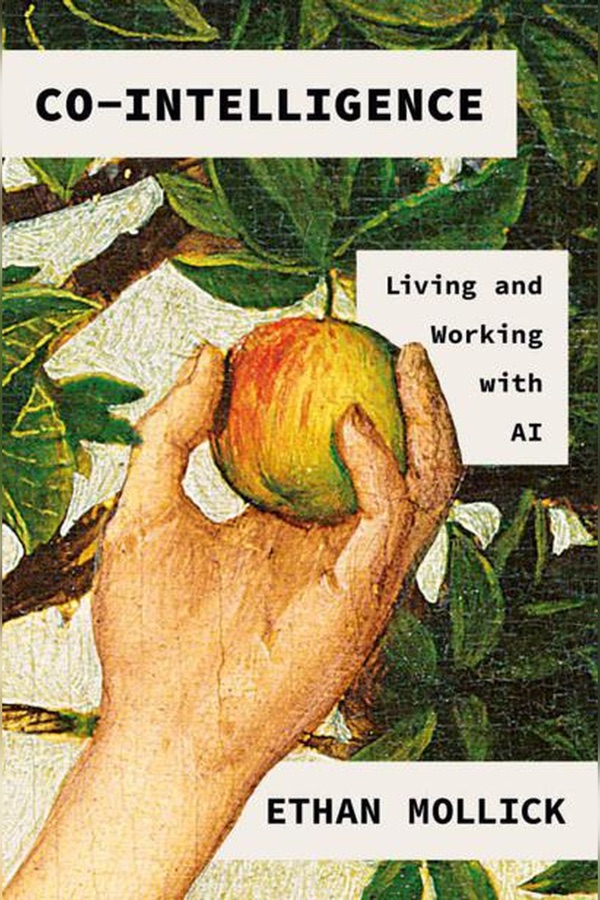 Co IntelligenceEthan Mollick
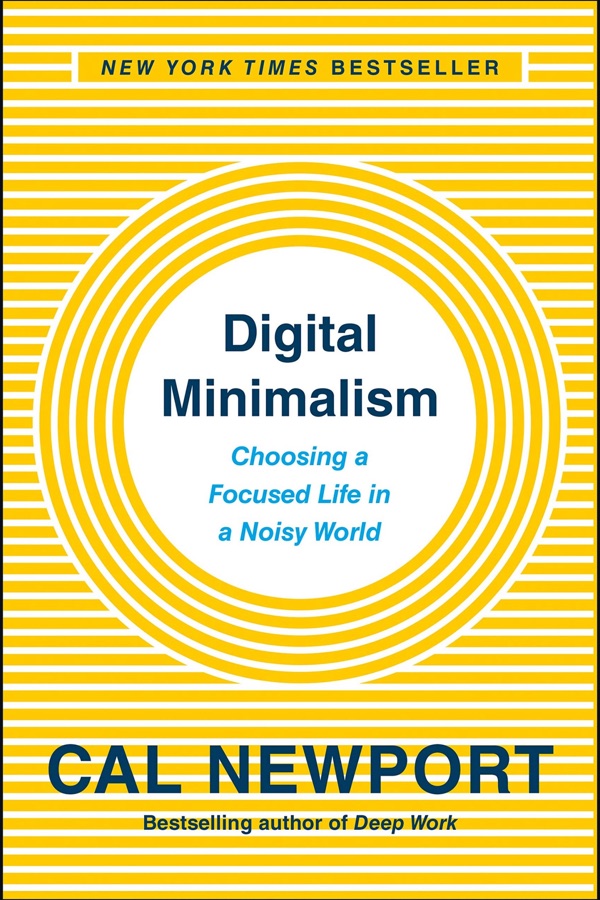 Digital Minimalism: Choosing a Focused Life in a Noisy WorldCal Newport
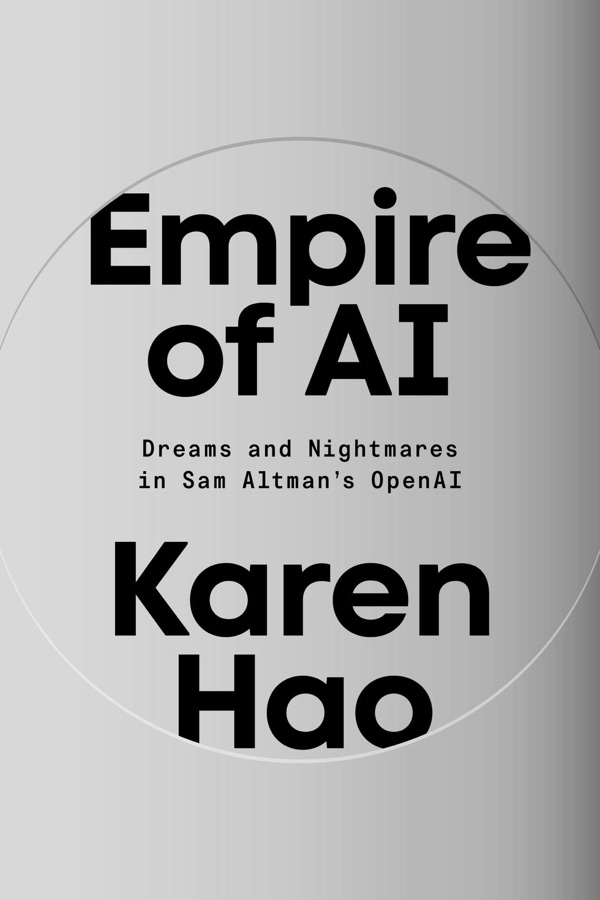 Empire of AIKaren Hao
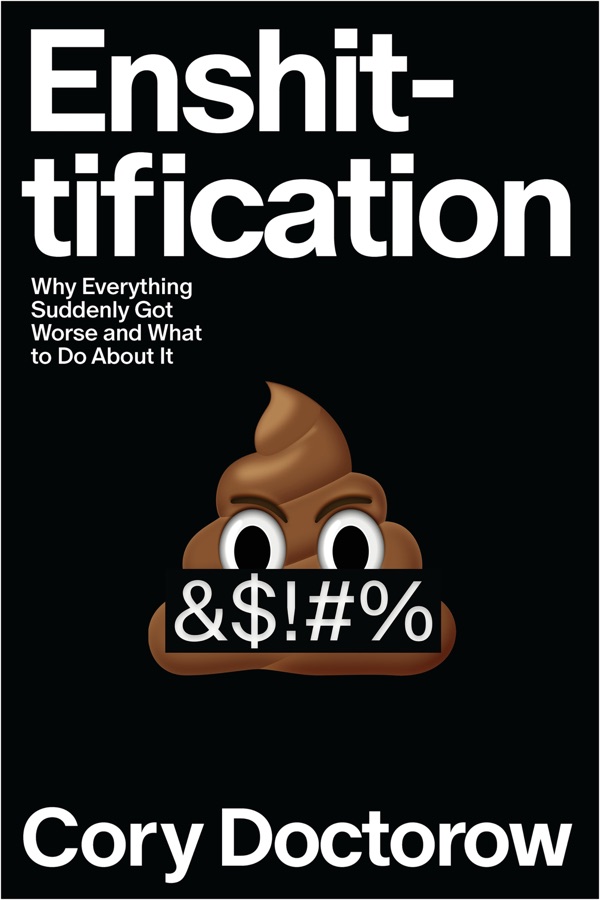 EnshittificationCory Doctorow
 Every Screen on the PlanetEmily Baker White