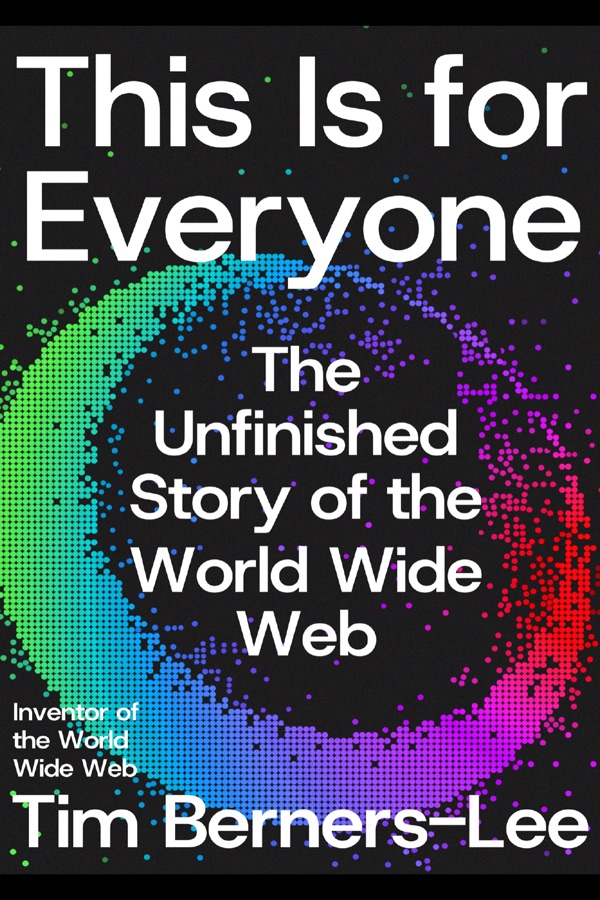
This Is for Everyone
Follow the web from an open invention to a concentrated platform economy, then examine Tim Berners Lee’s plan to restore user control and shared purpose.
6 parts, about 20 minutes to read.


Follow the web from an open invention to a concentrated platform economy, then examine Tim Berners Lee’s plan to restore user control and shared purpose.
6 parts, about 20 minutes to read.

Tim Berners-Lee stands tall among our greatest inventors, making history not just because of the World Wide Web he pioneered but because he made it available free to everyone.

This Is for Everyone is more than just an autobiography.

Tim Berners Lee warns that a gatekeeper could turn the open web into a controlled channel, while Cory Doctorow argues that platforms degrade in stages once users are locked in and four restraints have weakened.
Berners Lee argues that a system trained to keep attention can favor outrage and polarization even when no designer chooses a particular political outcome, and Fisher reports Facebook's internal research and outside studies on how that happens.
 AI SuperpowersKai Fu Lee
 AppleDavid Pogue
 BreakneckDan Wang
 Burn BookKara Swisher
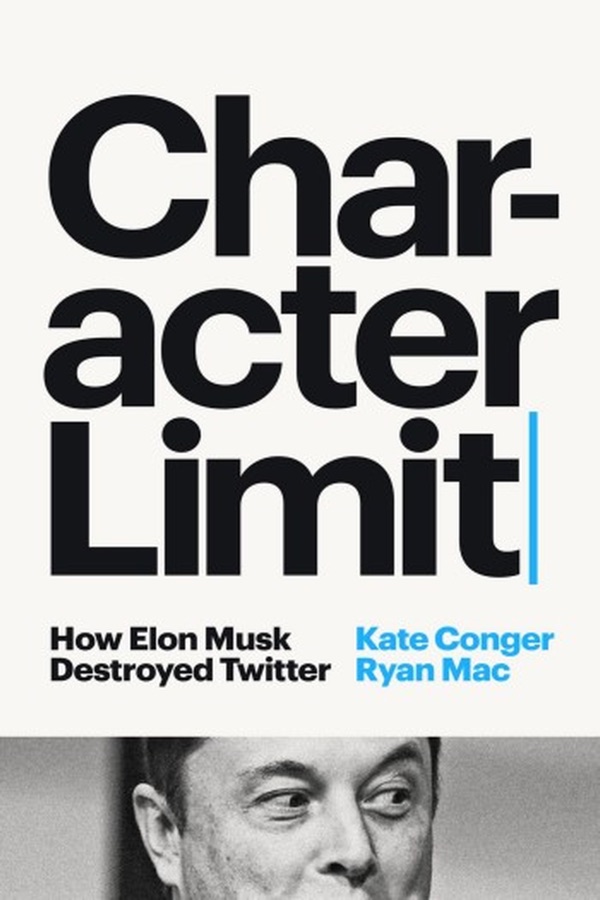 Character LimitKate Conger, Ryan Mac
 Chip WarChris Miller
 Claude CodeVladimir Korostyshevskiy
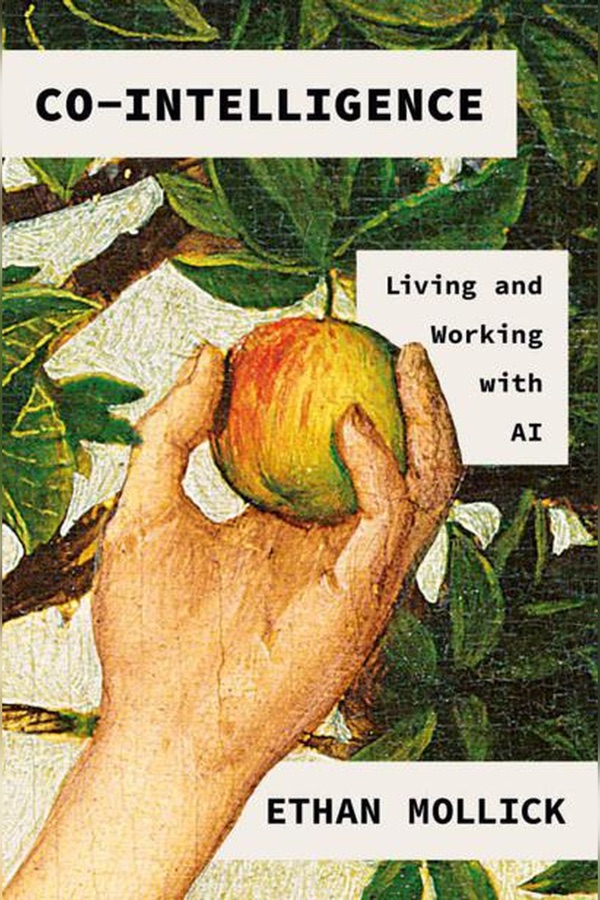 Co IntelligenceEthan Mollick
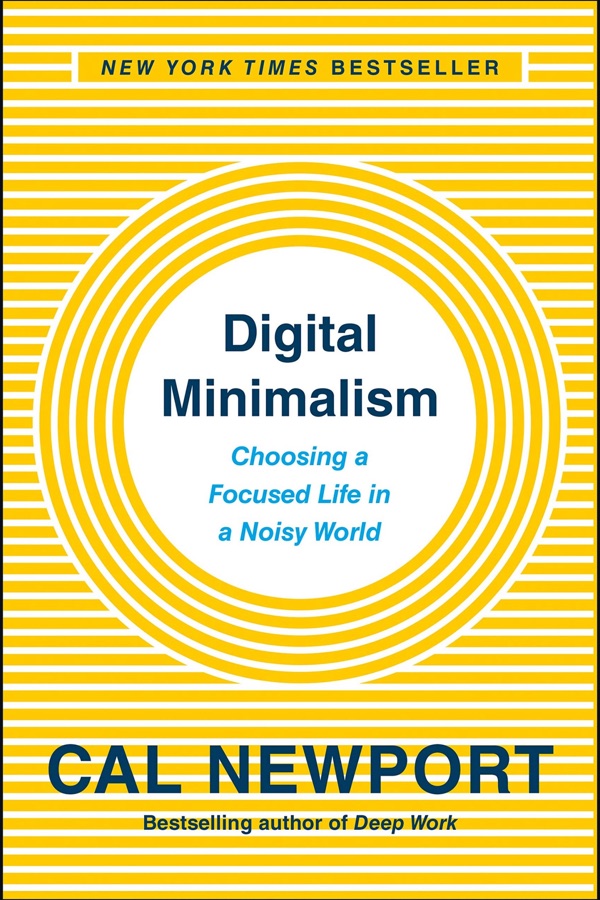 Digital Minimalism: Choosing a Focused Life in a Noisy WorldCal Newport
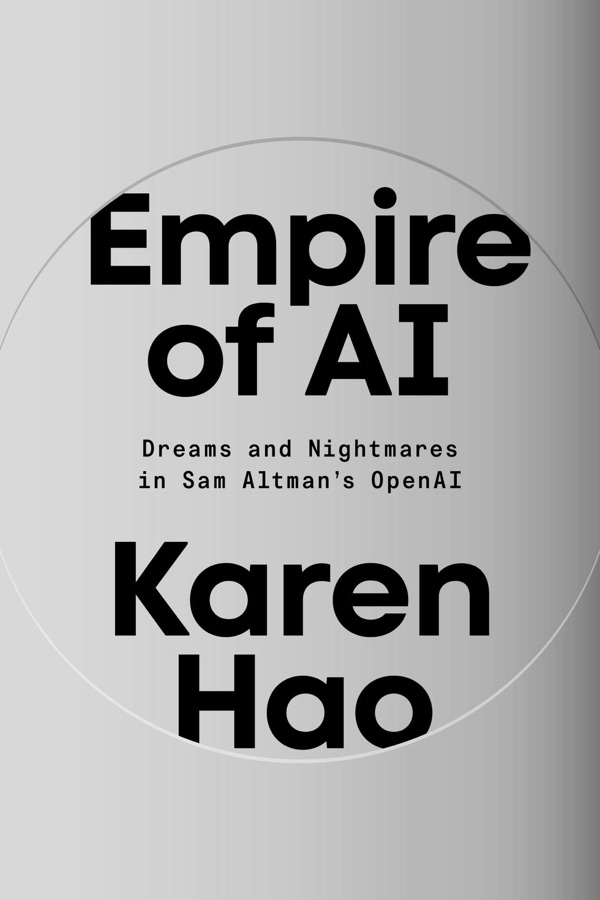 Empire of AIKaren Hao
 EnshittificationCory Doctorow
 Every Screen on the PlanetEmily Baker White