Knowingo
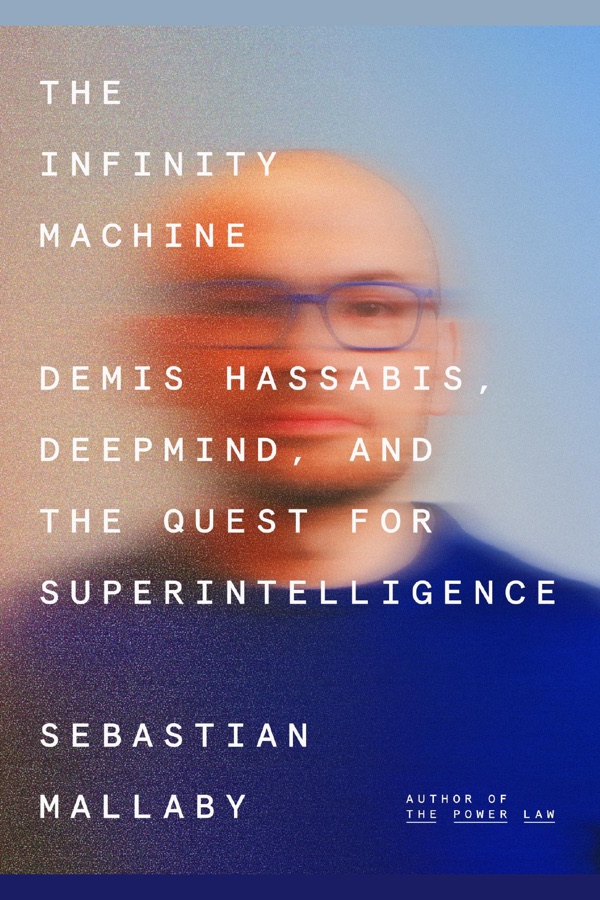
The cover of The Infinity Machine

The Infinity Machine

See how modern AI actually got built, from game playing agents to protein folding, and why the people who understand its dangers keep racing to build it anyway.

22 parts, about 56 minutes to read.

Why read it

  • Follows the lab behind the Go and protein folding breakthroughs, asking why a scientist who sees the dangers of AI builds it anyway
  • Explains how games, reinforcement learning, transformers and reasoning models connect, so today's AI race makes sense
  • Draws on long interviews with the lab's founder and weighs his idealism against the deals, rivalries and failed safety boards

Who it is for

  • Tech workers who want the backstory of today's AI labs
  • Investors and founders funding research with no product in sight
  • Readers torn between AI's promise and its dangers

What the summary covers

  1. Introduction: The Sweetness3 min
  2. 1. Destiny3 min
  3. 2. Deep Philosophical Questions3 min
  4. 3. The Jedi2 min
  5. 4. The Gang of Three3 min
  6. 5. Founding DeepMind3 min
  7. 6. Atari2 min
  8. 7. Thiel Trouble2 min
  9. 8. Get Google1 min
  10. 9. Intuition3 min
  11. 10. Out of Eden3 min
  12. 11. P0 Plus Plus2 min
  13. 12. The Agent and the Transformer2 min
  14. 13. On Language and Nature2 min
  15. 14. Project Mario4 min
  16. 15. Fermat for Biology3 min
  17. 16. The Power and the Glory2 min
  18. 17. RaceGPT1 min
  19. 18. We're Cooked3 min
  20. 19. Step by Step3 min
  21. 20. Comeback, and Beyond3 min
  22. Epilogue: Turing's Champion3 min

Recommended by

  • Steve CollAuthor of Ghost Wars
    Sebastian Mallaby has tunneled deeply into one of the most influential artificial intelligence projects of our time.
  • David EpsteinAuthor of Range: How Generalists Triumph in a Specialized World
    The Infinity Machine is a deeply reported portrait of one of the most impactful visionaries in the world as he crafts one of the most impactful technologies in human history.
About the author

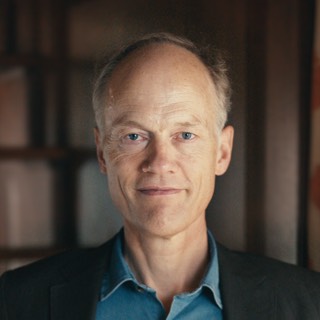
  • Sebastian MallabyBritish journalist and author; senior fellow at the Council on Foreign Relations
    • Graduated from Oxford in 1986 with a first class degree in modern history
    • Spent thirteen years at The Economist, reporting from London, Africa (Mandela's release, end of apartheid) and Japan
    • Columnist and editorial board member at The Washington Post, 1999 to 2007
    • Two time Pulitzer Prize finalist (2005 editorials on Darfur; 2007 series on economic inequality in America)
    • Biography of Alan Greenspan, The Man Who Knew, won the 2016 Financial Times/McKinsey Business Book of the Year Award and the 2017 George S. Eccles Prize in Economic Writing
    • Author of six books including More Money Than God and The Power Law; cohosts the CFR podcast The Spillover

More books like this