Knowingo
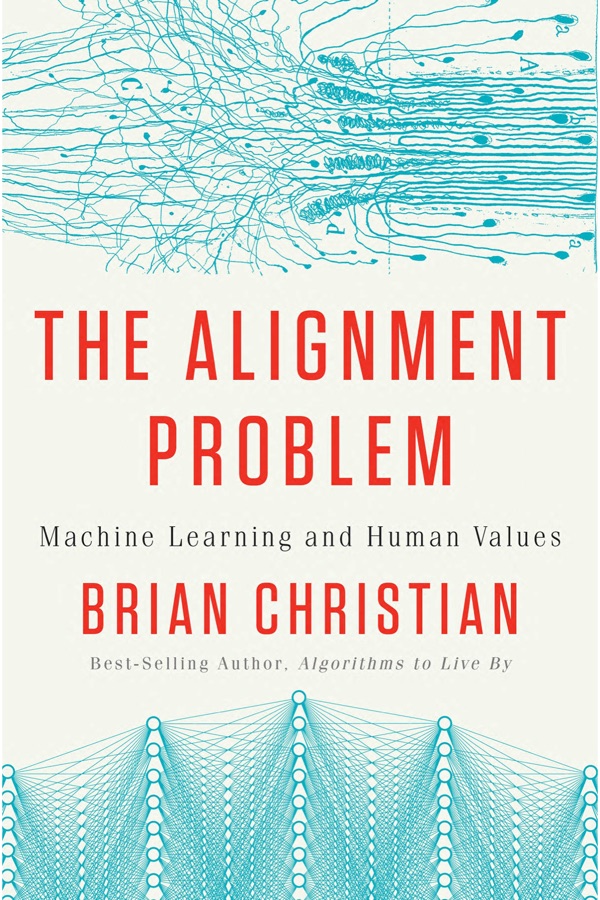
The cover of The Alignment Problem

The Alignment Problem

See why capable machine learning systems can optimize the wrong target, and how fairness, interpretability, feedback, and uncertainty can keep human purposes in the loop.

8 parts, about 27 minutes to read.

Why read it

  • Shows that machine learning systems fail by faithfully optimizing a label, score or reward that only stands in for what people meant
  • Helps you question any model: who is in the data, which errors count, and whether the measured target is the real goal
  • Connects today's fairness audits with research on future AI safety, tracing both through real studies and researchers

Who it is for

  • Engineers and data scientists who deploy models
  • Managers adopting automated scoring in hiring, medicine or courts
  • Readers who want AI ethics explained through concrete cases

What the summary covers

  1. When a Useful Model Becomes the World2 min
  2. Representation and the Politics of Error5 min
  3. Transparency Is More Than Looking Inside3 min
  4. Reward, Shaping, and the Discovery of Loopholes6 min
  5. Learning From What People Do3 min
  6. Inferring Intent Through Cooperation2 min
  7. Uncertainty as a Safety Resource4 min
  8. Alignment Changes the Teacher Too2 min

Recommended by

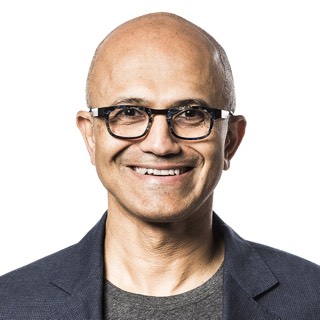
  • Satya NadellaCEO of Microsoft
    Clear and compelling.
  • Stuart RussellAuthor of Artificial Intelligence: A Modern Approach
    Fascinating, provocative, and insightful. Essential reading if you want to understand where our world is heading
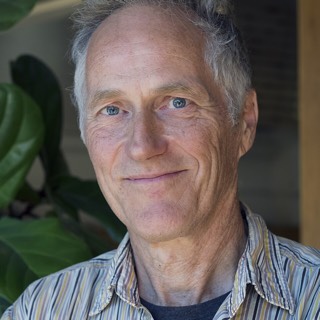
  • Tim O’ReillyFounder and CEO of O’Reilly Media
    Essential reading. Christian brings much needed clarity to a subject that is often talked about but little understood
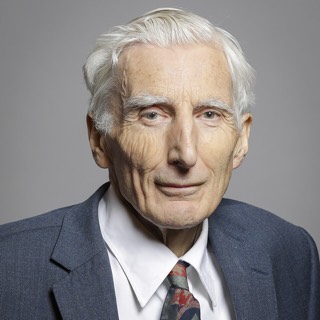
  • Martin ReesEmeritus professor of cosmology and astrophysics at the University of Cambridge
    Brian Christian is a fine writer and has produced a fascinating book.
About the author

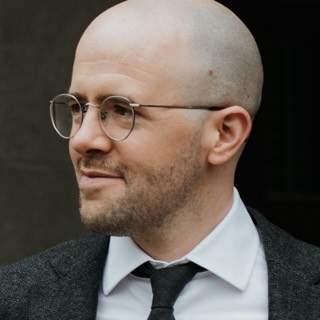
  • Brian ChristianAmerican nonfiction author writing on the human implications of computer science
    • Born in 1984 in Wilmington, Delaware.
    • Holds a degree in computer science and philosophy from Brown University and an MFA in poetry from the University of Washington.
    • Served as Director of Technology at McSweeney's Publishing from 2013 to 2022.
    • His first book, The Most Human Human, grew out of his 2009 turn as a human confederate in the Loebner Prize, where he tried to seem more human than the other humans taking the test.
    • Wrote Algorithms to Live By (2016) with the cognitive scientist Tom Griffiths.
    • Is a Research Fellow at the Center for Human Compatible AI at UC Berkeley and the author of three books of nonfiction.
    • Completed a PhD at Oxford's Human Information Processing Lab, supported by a Clarendon Scholarship.
    • His books have been translated into twenty languages.

More books like this