Knowingo
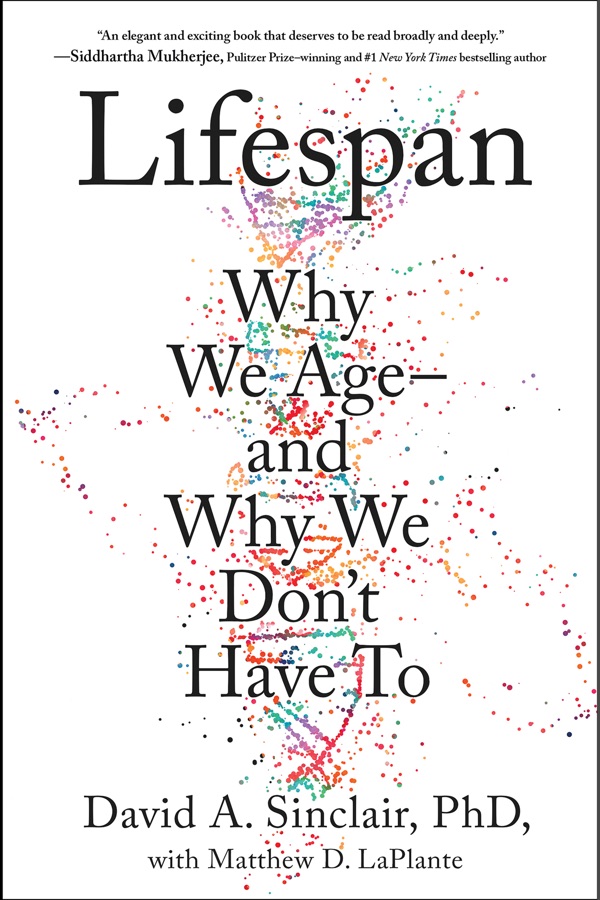
The cover of Lifespan

Lifespan

Why Sinclair argues that aging is a disease that can be slowed, the mouse and yeast experiments behind that belief, and what he does himself, with the doubts left in.

27 parts, about 38 minutes to read.

Why read it

  • Argues that aging is a loss of epigenetic information, not DNA mutations, tracing a yeast sirtuin story and mice engineered to age faster
  • Surveys fasting, exercise, rapamycin, metformin, resveratrol and NAD boosters as possible ways to slow aging, with the molecules tested mostly in animals or small studies
  • Proposes that reprogramming genes could reset old cells, citing mice whose crushed optic nerves regrew, while admitting long term cancer risk is unknown

Who it is for

  • Readers curious about the biology of aging and longevity research
  • People weighing fasting, exercise or supplements for a longer life
  • Health policy and economics readers weighing funding for aging research

What the summary covers

  1. A grandmother and a ticking clock2 min
  2. Why we age2 min
  3. Hallmarks and lost information2 min
  4. Other longevity pathways1 min
  5. From yeast to a theory2 min
  6. Sirtuins in mammals1 min
  7. The ICE mouse1 min
  8. Reversal in old mice1 min
  9. Is aging a disease?1 min
  10. My mother's cancer1 min
  11. One disease at a time1 min
  12. Eating less2 min
  13. Protein, exercise and temperature2 min
  14. Rapamycin1 min
  15. Metformin1 min
  16. Resveratrol1 min
  17. NAD boosters1 min
  18. My father's experiment1 min
  19. Aging as one disease1 min
  20. Killing zombie cells1 min
  21. Resetting the aging clock2 min
  22. Three genes and an optic nerve2 min
  23. Conservative math1 min
  24. The case against longer lives2 min
  25. Population, work and the economy1 min
  26. What we must do2 min
  27. Why I believe, and what I do2 min

Recommended by

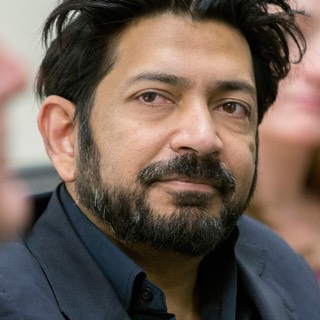
  • Siddhartha MukherjeePhysician and author who won a Pulitzer Prize for The Emperor of All Maladies
    In this insightful and provocative book that asks questions about how we age, and whether humans can overcome decay and degeneration, Sinclair grapples with some of the most fundamental questions around the science of aging. The result is an elegant and exciting book that deserves to be read broadly and deeply.
  • Leroy HoodBiologist and cofounder of the Institute for Systems Biology
    There are few books that have ever made me think about science in a fundamentally new way. David Sinclair’s book did that for me on aging. This is a book that anyone who ages must read.
  • Mark HymanPhysician and author, founder of the UltraWellness Center
    If you ever wondered how we age, if we can slow or even reverse aging, and if we can live a healthy 100 plus years, then David Sinclair’s new book Lifespan, which reads like a detective novel, will guide you through the science and the practical strategies to make your health span equal your lifespan, and make your lifespan long and vibrant.
  • Dean OrnishPhysician and founder of the Preventive Medicine Research Institute
    This is the most visionary book about aging I have ever read. Seize the day—and seize this book!
  • William W. LiPhysician and chief executive of the Angiogenesis Foundation
  • Dale BredesenNeurologist and author of The End of Alzheimer's
  • Sara GottfriedPhysician and New York Times bestselling author
    A visionary book from one of the most masterful longevity scientists of our time. Lifespan empowers us to change our health today while revealing a potential future when we live younger for longer.
  • Dave AspreyEntrepreneur and founder of Bulletproof
    Prepare to have your mind blown. You are holding in your hands the precious results of decades of work, as shared by Dr. David Sinclair, the rock star of aging and human longevity.
  • Jason FungNephrologist and author of The Obesity Code
    Imagine a world in which we can live long enough to meet not just our grandchildren, but our great-grandchildren. This is Sinclair’s vision for the future of humankind, a vision that looks to science, nature, history, and even politics to make the case that it is possible to live well into our hundreds. Lifespan is boldly leading the way.
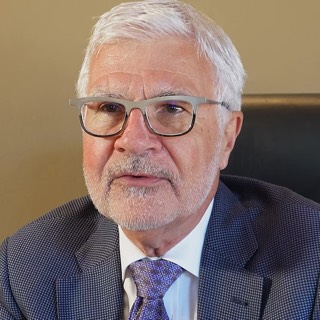
  • Steven R. GundryPhysician and former cardiothoracic surgeon
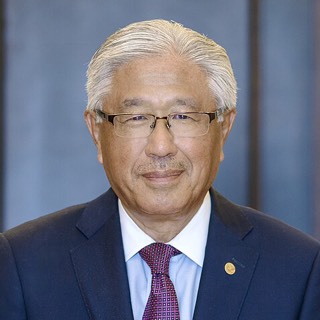
  • Victor J. DzauPresident of the US National Academy of Medicine
    David Sinclair masterfully presents a bold vision of the future in which humanity is able to slow or reverse the aging process and live younger, healthier lives for longer. He engages the reader in a thorough examination of the science and emerging technologies that will enable humanity to achieve this vision.
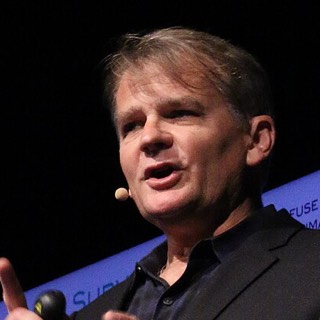
  • Naomi WhittelFounder of Reserveage Nutrition and author of Glow15
  • David Ewing DuncanJournalist and author, cofounder of Arc Fusion
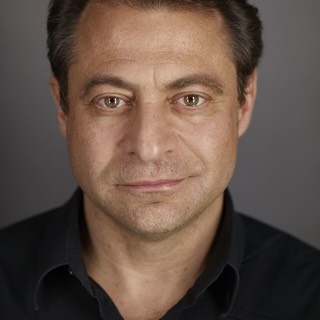
  • Peter H. DiamandisFounder of the XPRIZE Foundation
    Lifespan gives us hope for an extraordinary life. As the brilliant Dr. David Sinclair explains, aging is a disease, and that disease is treatable. This eye-opening book takes you to frontlines of incredible breakthroughs. What could be more valuable than an extended health lifespan? Enjoy this must read masterpiece!
  • Stephanie LedermanExecutive director of the American Federation for Aging Research
    David is a pioneer poised to change how we think about and understand aging.
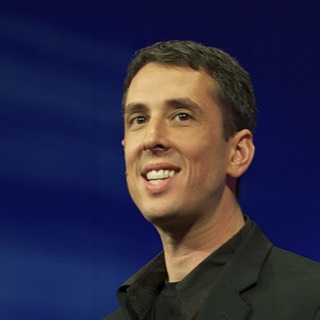
  • Marc HodoshEntrepreneur and former owner of TEDMED
    The most important message and priority of our time. For years to come, humanity will reflect on this book with awe and respect. Read it. . . . Your life depends on it.
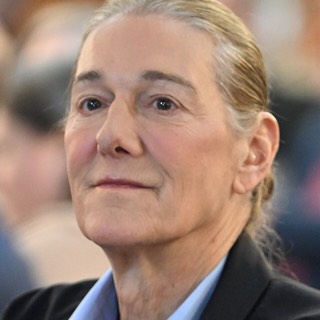
  • Martine RothblattFounder of United Therapeutics
  • Henry MarkramNeuroscientist and director of the Blue Brain Project
    Stepping on the moon changed humanity. In Lifespan, Sinclair takes the ultimate step for humanity that will transform our lives beyond anything we could ever have imagined. If you can put your deepest beliefs aside, this will be the most important book you will ever read. The author is bold, the science is profound, and our future is here.
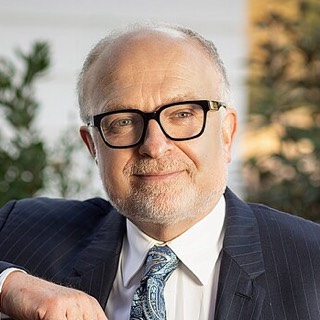
  • Andrew ScottEconomist who studies longevity
    An intellectually fascinating book with tantalizing insights on the most important issue about yours and everyone’s future.
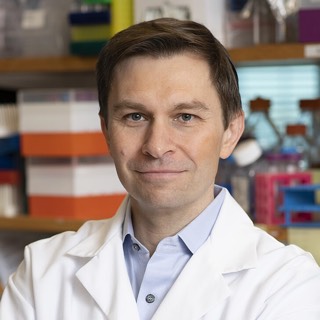

About the authors

  • David A. SinclairProfessor of genetics at Harvard Medical School who studies aging
    • Born in Australia in 1969 and raised in St Ives, New South Wales; his grandmother had fled Hungary after 1956. Studied at the University of New South Wales, with a bachelor of science in biochemistry (1991) and a Ph.D. in molecular genetics (1995).
    • Spent four years as a postdoctoral researcher in Leonard Guarente's lab at MIT and was hired at Harvard Medical School in 1999.
    • Became founding director of the Paul F. Glenn Laboratories for the Biological Mechanisms of Aging at Harvard, funded by a $5 million gift from Paul F. Glenn in 2004.
    • Cofounded Sirtris Pharmaceuticals in 2004; GlaxoSmithKline bought it in 2008 for $720 million and closed the program in 2013 without a successful drug.
    • Published Lifespan: Why We Age and Why We Don't Have To in September 2019, written with the journalist Matthew LaPlante and translated into 18 languages.
    • Wikipedia reports that 2005 work showed resveratrol is not a SIR2 activator, and that he continues to advocate resveratrol as an anti aging drug and supplement.
    • Wikipedia reports that a 2023 Cell paper from his lab on reversing aging in mice received a formal reply questioning its treatment, and that his claims of reverse aging have received criticism from other scientists.
    • Resigned in 2024 as president of the Academy for Health and Lifespan Research, which he had cofounded, after a cascade of member resignations over a claim that a dog supplement reversed aging.
  • Matthew D. LaPlanteJournalist and associate professor of journalism at Utah State University
    • Associate professor of journalistic writing at Utah State University, where he teaches news reporting and feature writing.
    • A former US Navy intelligence specialist and Middle East war correspondent; author of Superlative: The Biology of Extremes and cowriter of several other books on science and society.
    • Reported from more than a dozen nations for outlets including CNN.com and The Washington Post, and was national security reporter at The Salt Lake Tribune from 2005 to 2011.
    • His Salt Lake City Weekly story Devastated won the AAAS Kavli Science Journalism Award in 2014 in the small newspaper category.
    • Hosts a weekly interview show on Utah Public Radio, UnDisciplined, in which two scientists from different fields meet.
    • Worked with David Sinclair on Lifespan for nearly two years, spending time at Harvard Medical School and in Sinclair's lab.

Read it alongside

More books like this