Knowingo
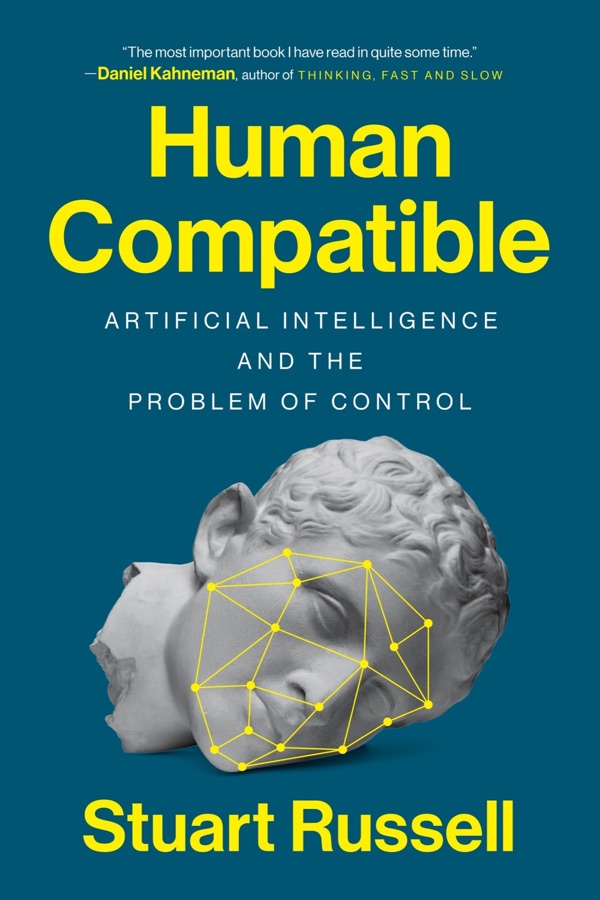
The cover of Human Compatible: Artificial Intelligence and the Problem of Control

Human Compatible: Artificial Intelligence and the Problem of Control

A leading AI researcher explains why machines given fixed objectives could escape our control, and proposes AI that stays uncertain about human preferences and learns them from our behavior.

11 parts, about 29 minutes to read.
Why read it

  • Argues the standard way of building AI, giving machines fixed objectives, becomes dangerous as they grow smarter than their makers
  • Proposes machines that are uncertain about human preferences and learn them from behavior, so they ask permission and accept being switched off
  • Weighs concrete risks, from surveillance and autonomous weapons to jobs and human enfeeblement, and answers common objections to AI worry

Who it is for

  • Readers who want a clear case for AI safety
  • Engineers and researchers building machine learning systems
  • Policy minded readers weighing AI regulation and its risks

What the summary covers

  1. Why This Book, Why Now1 min
  2. If We Succeed4 min
  3. Intelligence in Humans and Machines5 min
  4. How Might AI Progress in the Future?4 min
  5. Misuses of AI2 min
  6. Overly Intelligent AI2 min
  7. The Not So Great AI Debate3 min
  8. AI: A Different Approach2 min
  9. Provably Beneficial AI3 min
  10. Complications: Us2 min
  11. Problem Solved?1 min

Recommended by

  • Daniel KahnemanNobel laureate in economics
    This is the most important book I have read in quite some time
  • Max TegmarkPhysicist and author of Life 3.0
    not only explains the risks of ever more powerful artificial intelligence in a captivating and persuasive way, but also proposes a concrete and promising solution.
  • Judea PearlTuring Award winner and computer scientist
    Human Compatible made me a convert to Russell's concerns with our ability to control our upcoming creation
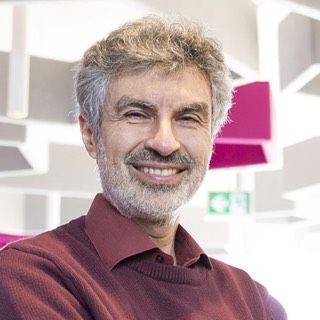
  • Yoshua BengioTuring Award winner and computer scientist
    This beautifully written book addresses a fundamental challenge for humanity: increasingly intelligent machines that do what we ask but not what we really intend.
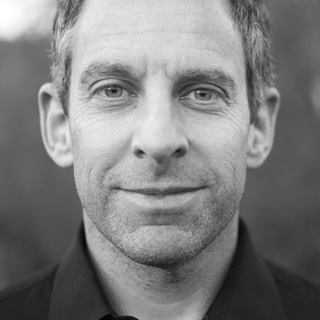
  • Sam HarrisNeuroscientist, philosopher and author
    Stuart Russell has long been the most sensible voice in computer science on the topic of AI risk.
  • James ManyikaSenior Vice President at Google and former chairman of the McKinsey Global Institute
    Stuart Russell, one of the most important AI scientists of the last 25 years, may have written the most important book about AI so far
  • George DysonHistorian of technology and author of Turing's Cathedral
    The same mix of de-mystifying authority and practical advice that Dr. Benjamin Spock once brought to the care and raising of children, Dr. Stuart Russell now brings to the care, raising, and yes, disciplining of machines.
  • Brian ChristianAuthor of Algorithms to Live By
    Persuasively argued and lucidly imagined, Human Compatible offers an unflinching, incisive look at what awaits us in the decades ahead.
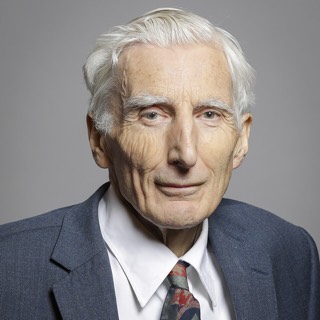
  • Martin ReesCosmologist and astrophysicist, former Astronomer Royal
    In clear and compelling language, Stuart Russell describes the huge potential benefits of artificial Intelligence, as well as the hazards and ethical challenges.
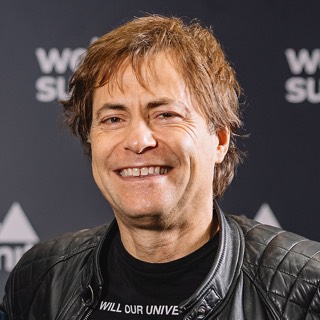
  • Jaan TallinnProgrammer and investor, known for Skype and Kazaa
    A book that charts humanity's quest to understand intelligence, pinpoints why it became unsafe, and shows how to course-correct if we want to survive as a species.

About the author

  • Stuart RussellBritish computer scientist and professor at the University of California, Berkeley
    • Earned a first class physics degree from Oxford in 1982 and a computer science PhD from Stanford in 1986.
    • Born in Portsmouth, England, and attended St Paul's School in London.
    • Joined the Berkeley faculty after Stanford; he holds the Smith Zadeh Chair in Engineering and directs the Center for Human Compatible AI.
    • Coauthor with Peter Norvig of Artificial Intelligence: A Modern Approach, used in 1500 universities in 135 countries.
    • Shared the 1995 IJCAI Computers and Thought Award, the field's leading award for researchers under 35.
    • Received the 2022 IJCAI Award for Research Excellence, becoming the second person to win both of that conference's main research awards.
    • Worked with the United Nations on a global seismic monitoring system for the Comprehensive Nuclear Test Ban Treaty.
    • Founded the Center for Human Compatible Artificial Intelligence at UC Berkeley in 2016.

More books like this